

Toyota’s sales and production both declined in November, driven largely by a sharp downturn in China after Beijing ended incentives designed to encourage purchases of electric and fuel-efficient vehicles.
The Japanese automaker reported that global sales — including those at subsidiaries Daihatsu and Hino — fell 1.9 percent year on year to 965,919 units in November.
Global production also slipped, declining 3.4 percent from a year earlier to 934,001 vehicles.
In China, sales of the Toyota and Lexus brands dropped 12 percent in November. The company attributed the decline to the withdrawal of trade-in subsidies in major cities after local governments ran out of funding.
China and Japan have also faced rising diplomatic friction since November, when comments on Taiwan by Prime Minister Sanae Takaichi angered Beijing. China subsequently advised its citizens against traveling to Japan.
By region, Toyota’s production increased 15 percent in Thailand and 9 percent in the United States last month, but fell 14 percent in China, 9.7 percent in Japan, and 7.9 percent in the United Kingdom.
Meanwhile, the European Union this month moved to ease what had effectively been a ban on combustion engines, giving traditional automakers more flexibility as they scale up battery-powered vehicle production. The change could also open new opportunities for Chinese electric vehicle makers, even as Toyota and other Japanese firms — pioneers of hybrid technology — retain an edge over legacy manufacturers still dependent on gasoline engines.
In the United States, President Donald Trump has stepped up pressure on automakers as he prepares to impose steep tariffs on imported vehicles and auto parts.
Earlier this month, Trump said he was considering allowing the production and sale of lightweight Asian “kei” cars in the US, despite their current failure to meet federal safety standards.
As part of efforts to address Trump’s concerns, Toyota recently announced plans to return three US-made vehicles to the Japanese market.
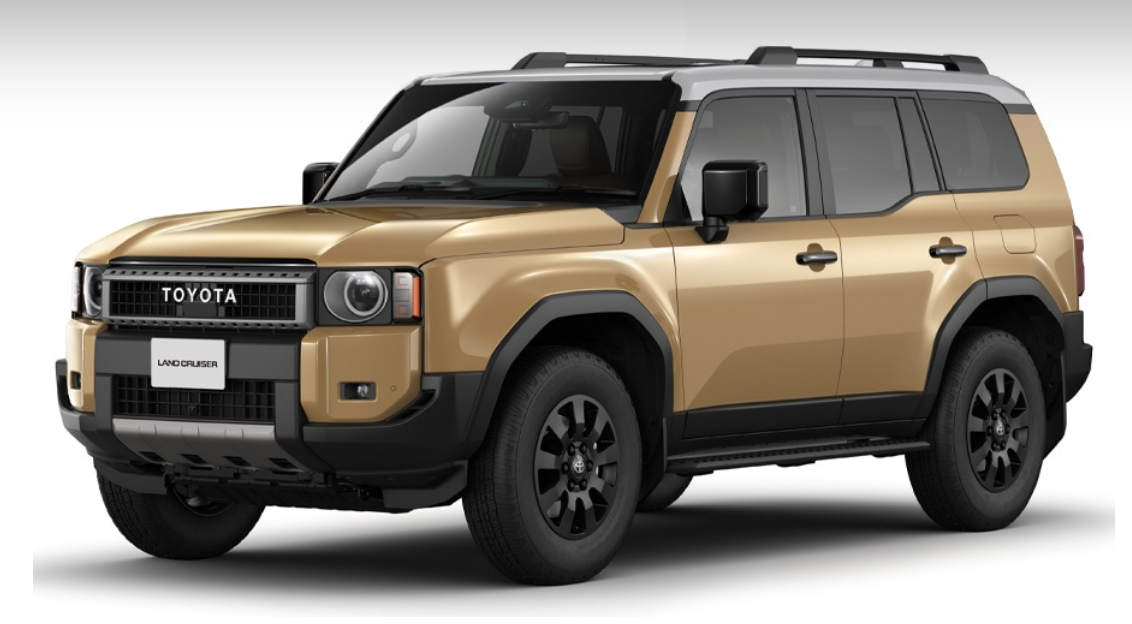
TOYOTA PHOTO