

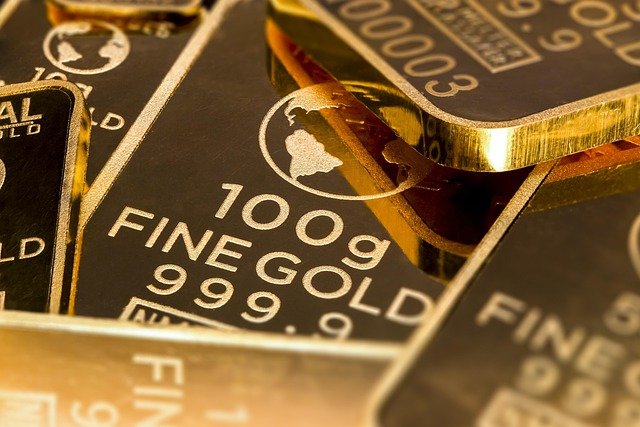
Gold and silver have surged to record highs in recent weeks, extending a rally that began in 2025 and outpacing many analyst forecasts.
Gold climbed above $4,900 an ounce on Friday, hitting a record $4,967.48 — up about 80% over the past year. Silver’s rise has been even more dramatic, gaining 225% year-on-year and reaching an all-time high of $99.38 per ounce. By 1100 GMT Friday, silver was trading at $98.8.
With both metals in uncharted territory, forecasts that once seemed ambitious have been overtaken. Gold ended 2025 near $4,400 per ounce and silver around $70, setting the stage for a sharp start to 2026.
The rally has been driven by tariff threats, geopolitical uncertainty and expectations of Fed rate cuts, but analysts say persistent demand is the key feature.
“These levels are unprecedented. I think what’s amazing for gold and silver is that the level of selling back … in both metals has been very modest,” said Philip Newman of Metals Focus, which forecasts gold reaching $5,500 and silver $100 in 2026.
Major banks have struggled to keep pace. JP Morgan forecasts average gold prices of $5,055 by late 2026, rising toward $5,400 in 2027. Goldman Sachs’ $4,900 target for December 2026 and Morgan Stanley’s $4,800 forecast for late 2026 have already been tested, while Citigroup projected $5,000 in early 2026.
Joe Cavatoni of the World Gold Council said gold’s rally reflects enduring structural drivers, including geopolitical risk, central bank diversification and investor hedging demand. He noted silver is more economically sensitive.
“Silver’s outlook is more closely tied to the industrial cycle and energy-transition investment, alongside the same macro themes that benefit gold,” he said.
ING’s Ewa Manthey said expectations for Fed rate cuts, rising ETF inflows and sustained central bank buying have reinforced momentum.
“Expectations for Fed rate cuts are central – once the market believes the easing cycle is locked in, real yields fall, the dollar softens, and precious metals typically see strong inflows,” she said.
Silver’s outperformance reflects tighter supply and strong industrial demand.
“Silver has tighter inventories, higher lease rates, and more acute supply constraints than gold,” Manthey said. “That tightness makes silver more sensitive to demand shifts – and often more explosive when investors pile in.”
China’s rising demand has added further momentum, particularly in silver. Cavatoni said this reflects industrial use and local investor interest, while gold demand remains broader and globally diversified.
“With both metals continuing to set records, analysts say the rally reflects deeper shifts in geopolitics, monetary policy and supply constraints that could keep prices elevated beyond 2026.”
PIXABAY PHOTO