

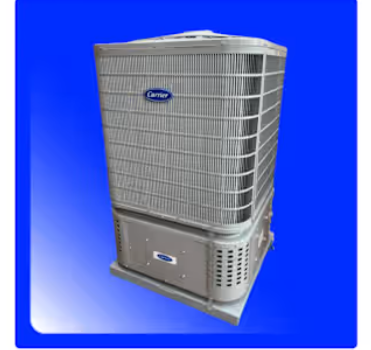
Carrier Global Corporation, the global leader in intelligent climate and energy solutions, has begun its first field trials of battery-enabled HVAC (heating, ventilation and air-conditioning) systems to test how they can store and shift energy when the grid needs it most.
“Carrier has been shaping the future of climate technology since Willis Carrier invented modern air conditioning in 1902,” said David Gitlin, Chairman and CEO, Carrier. “Now, we’re installing our first battery-enabled HVAC systems in homes to validate performance. These systems can help strengthen the grid, support renewable integration and maintain comfort — all while adapting to evolving energy demands.”
As the US power grid faces aging infrastructure, record heat and rising demand from data centers and industry, Carrier Energy, the company’s new energy management solutions business, is working with utilities and EPRI to assess the role of homes as flexible Distributed Energy Resources (DERs).
Through these trials, Carrier is assessing how its next-generation HVAC system — pairing more efficient variable-speed heat pumps with battery storage — can help reduce peak demand by shifting energy use from on-peak to off-peak periods, providing greater grid flexibility and resilience.
With an estimated 30 million Carrier HVAC units installed in North American homes — representing more than 100 GW of potential flexible demand — the opportunity is significant. At scale, these systems could offer utilities a powerful tool to manage electricity demand.
“This trial is a clear demonstration of how Carrier can help contribute to a more resilient, intelligent grid,” said Hakan Yilmaz, Chief Technology & Sustainability Officer and leader of Carrier Energy. “With data to be delivered by EPRI, we’re showing that smart home energy solutions are not a future concept — they’re happening now.”
CARRIER PHOTO