

A global economic slowdown or a further escalation in geopolitical tensions could trigger another surge in gold prices, according to the World Gold Council (WGC).
“Gold has experienced a remarkable 2025, achieving over 50 all-time highs and returning more than 60%. This performance has been fueled by heightened geopolitical and economic uncertainty, a weaker US dollar, and strong price momentum,” the council said in its Gold Outlook 2026 report.
According to the WGC, both investors and central banks have continued to increase their allocations to gold this year, underscoring the metal’s role as a long-term hedge, a portfolio stabilizer, and a strategic reserve asset.
Outlook for 2026
In its report, the council said the current gold price largely reflects consensus expectations around macroeconomic conditions. If these conditions remain stable, gold may continue to trade within a range.
However, the WGC emphasized that “taking cues from this year, 2026 will likely continue to surprise.”
- If global economic growth slows and interest rates fall further, gold could see “moderate” price gains as lower yields boost demand for non-income-generating assets.
- In a more severe global downturn—marked by rising geopolitical risk, higher financial stress, or weakening equity markets—the metal could experience strong upward performance, similar to past crisis-driven rallies.
Additional Market Drivers
Beyond macroeconomic conditions, the WGC highlighted several structural factors that will influence gold prices in 2026:
- Central bank demand remains robust, with emerging-market institutions diversifying away from US dollar reserves.
- Gold recycling trends—often sensitive to price spikes—could shape supply dynamics.
- Market volatility is expected to keep gold attractive to both institutional and retail investors seeking diversification, inflation protection, and liquidity during periods of uncertainty.
Ultimately, the council concluded that gold’s role as a hedge and stabilizer “remains essential” as global markets navigate the next phase of economic and geopolitical unpredictability.
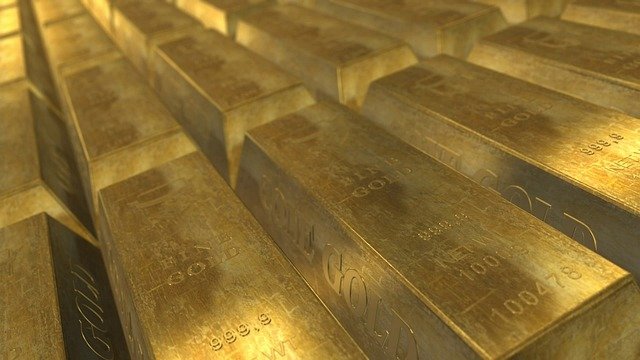
PIXABAY PHOTO