

Philippine export tariffs to the United States remain unchanged despite sweeping policy upheavals in the world’s leading economy, Department of Trade (DTI) Secretary Ma. Cristina Roque said Tuesday.
On Feb. 20, the US Supreme Court ruled that President Donald Trump exceeded his authority in imposing tariffs under the International Emergency Economic Powers Act (IEEPA) — a decision that should have triggered clarity but instead fueled more uncertainty.
Before the ruling, Philippine exports were already burdened with a steep 19-percent tariff, with only a handful of agricultural products spared, effective Aug. 7, 2025.
Within hours of the court’s decision, Trump fired back with a sweeping 10-percent global tariff to replace the voided policy — then escalated it to 15 percent the very next day, sending a clear message that volatility remains the order of the day.
Roque admitted Philippine export levies remain frozen at pre-ruling levels as negotiations drag on with US counterparts.
“They’re still in talks. That’s the word exactly,” she said, offering little reassurance and declining to forecast where rates may land. “It’s hard to make assumptions now.”
She further revealed that no direct outreach has been made to US counterparts regarding the latest tariff shifts.
“Continuous kasi ang usapan (The talks are continuous). So there’s no need to reach out,” she told reporters on the sidelines of the ASEAN editors and economic opinion leaders forum in Makati City — a response likely to raise eyebrows among exporters demanding decisive action.
Export surge
At the forum, Roque touted a 15.2-percent surge in Philippine exports in 2025, hitting a record $84.41 billion. The country expanded its free trade agreements to 20 partners and claimed a staggering 210-percent jump in micro, small and medium enterprises (MSMEs) sales in the National Capital Region to $668 million.
“As ASEAN Chair, we believe this success story should not remain national — it should be regional,” she said, signaling ambitions well beyond domestic gains.
She laid out an aggressive regional agenda: fast-tracking digitalization and artificial intelligence through the ASEAN Digital Economy Framework Agreement, ramping up semiconductor and critical minerals development, accelerating renewable energy, enabling cross-border digital talent mobility, supercharging MSME growth, and pushing healthcare innovation.
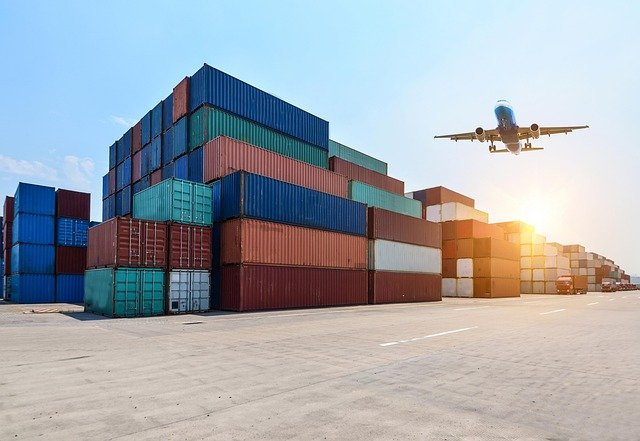
PIXABAY PHOTO