

Despite widespread dissatisfaction with political leaders, a majority of Filipinos continue to believe the national government is capable of addressing the country’s problems, according to the latest Tugon ng Masa (TNM) survey conducted by OCTA Research.
“To the statement, ‘I trust the national government to effectively address the country’s problems,’ a majority of adult Filipinos (55 percent) express trust in the national government’s ability to handle issues effectively, while 20 percent express distrust,” the Q4 2025 nationwide survey released Monday read.
“Meanwhile, 25 percent remain undecided or ambivalent, indicating that although confidence in government performance is present, it is not yet firmly consolidated,” it added.
Trust in government competence varies sharply by region. The Visayas posted the strongest confidence at 68 percent, while the National Capital Region and Balance Luzon trailed significantly at 49 percent each—highlighting deeper skepticism in more politically exposed and urbanized areas.
OCTA attributed the lower trust in these regions to heightened exposure to policy debates and tougher scrutiny of government performance, fueled by broader access to information and more intense political engagement in densely populated areas.
Across socioeconomic classes, trust in the national government technically remained at majority levels, ranging from 53 percent to 56 percent. However, distrust was most pronounced among Class ABC respondents, with 27 percent expressing doubt—reflecting stricter standards and higher expectations among more economically secure Filipinos.
While the survey shows that government institutions continue to enjoy majority confidence, it also exposes a deep and persistent disconnect between citizens and their elected leaders.
Only 31 percent of respondents said elected officials in Congress and local government value the views of people like them, while a decisive 61 percent said they do not—underscoring that institutional trust far outweighs confidence in politicians themselves.
“The findings suggest that many Filipinos may distinguish between trust in government institutions and confidence in elected politicians. While institutions of government may still be viewed as capable of functioning or delivering outcomes, elected officials themselves may be evaluated more critically in terms of responsiveness and attentiveness,” OCTA Research said, with the findings showing that Filipinos distinguish between the state’s capacity to act and the responsiveness of elected officials.
OCTA said the results make clear that sustaining public confidence requires more than administrative competence—it demands visible responsiveness and credible representation.
“Improvements in performance alone may not be sufficient to rebuild trust in elected officials unless citizens also feel heard and valued in the political process,” it said.
The non-commissioned survey was conducted through face-to-face interviews from Dec. 3 to 11, 2025, among 1,200 adult respondents nationwide.
OCTA Research said the survey carries a ±3 percent margin of error at the national level and ±6 percent for major geographic areas.
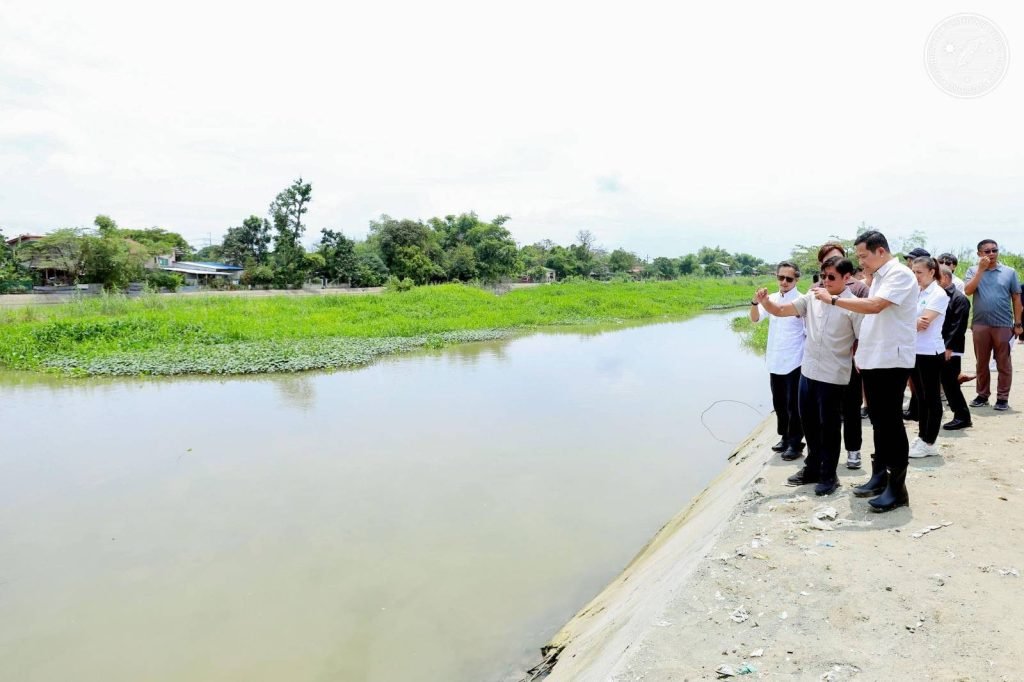
PIA PHOTO