

Headline inflation settled at 1.7 percent in September, slightly higher than the 1.5 percent seen in August, according to the Philippine Statistics Authority (PSA) on October 7.
The latest data brought the January to September average inflation rate to 1.7 percent, which is still below the 2 percent lower end of the government’s 2 percent to 4 percent target.
The PSA attributed the uptrend in inflation to the annual increase of the transport index at 1 percent in September 2025 from an annual decline of 0.3 percent in August 2025.
Also contributing to the uptrend in the overall inflation was the higher annual increment in the food and non-alcoholic beverages index at 1 percent in September from 0.9 percent in the previous month.
Food inflation, in particular, rose by 0.6 percent from 0.6 percent in August, mainly driven by higher prices of vegetables, tubers, plantains, cooking bananas, and pulses.
Vegetable inflation rose sharply to 19.4 percent from 10 percent, mainly due to the successive weather disturbances in key production areas.
Meat inflation, however, eased to 6 percent from 7.1 percent as both chicken and pork prices moderated.
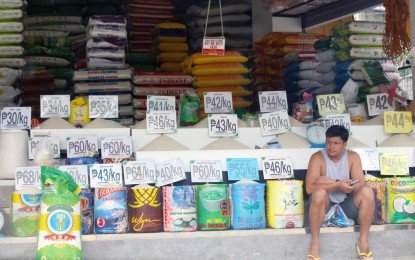
Rice continued to record deflation at 16.9 percent from -17 percent, reflecting lower farmgate and international prices despite reduced import arrivals following the rice import ban.
Department of Economy, Planning, and Development (DEPDev) Secretary Arsenio Balisacan said the September figures point to manageable price movements despite recent supply-side pressures.
“The slight uptick in inflation underscores the sensitivity of domestic food prices to supply disruptions. We are working closely with various agencies to stabilize supply, keep essential goods affordable, and safeguard household welfare,” Balisacan said.
He said the government remains committed to securing adequate food supplies and tempering price pressures.
To this end, imports of select vegetables, among them carrots, onions, and broccoli, will be allowed as part of stabilization measures.
“The Department of Agriculture will also establish food corridors to minimize supply disruptions. These will feature greenhouses, storage, and post-harvest facilities that can strengthen the resilience of our food systems,” he said.
PNA PHOTO