

The US Federal Reserve may delay its decision on whether to reduce policy rates if the federal government shuts down.
This, as the federal government shutdown in the US could lead to the failure of key agencies and government institutions to release data that the Fed uses for to decide on policy rates. Meanwhile, Congress did not approve a temporary budget bill before the start of the new fiscal year, the first time since 2019.
Usually in a shutdown, the US federal government has to suspend all non-essential activities with workers placed on unpaid leave. Essential workers, however, for the US military, intelligence agencies, public hospitals, airports, and prison facilities must continue working without pay.
“The failure of key institutions to release data due to the shutdown could result in a postponing of any rate cut decision previously planned,” said Sant Manukyan, deputy general manager of Türkiye-based IS Investment.
He added that the US Treasury requires $700 billion in its account to take precautions, an amount that it can adequately fund.
For its part, international credit rating agency S&P Global said that a prolonged delay in the release of key economic data caused by a government shutdown would make more uncertain the Fed’s monetary policy outlook.
Also, it said that the government shutdown will slightly hit gross domestic product (GDP) growth in the US and will raise the uncertainty in its economy.
It estimated that every week the federal government stays shut, US economic growth could be reduced by 0.1-0.2 percentage points.
“This figure accounts mainly for direct costs and hence is a conservative estimate relative to the decrease, including hard-to-estimate indirect costs,” S&P Global it said in a statement.
It emphasized that this estimate was based on the effects of previous shutdowns. However, the lost GDP can be offset by federal employees receiving retroactive pay after the shutdown ends.
“It’s important to note that the government shutdown is unrelated to the federal debt ceiling. The US debt limit was increased by $5 trillion in the July budgetary legislation passed under reconciliation. As a result, the government won’t run out of borrowing capacity during the current shutdown,” S&P Global said.
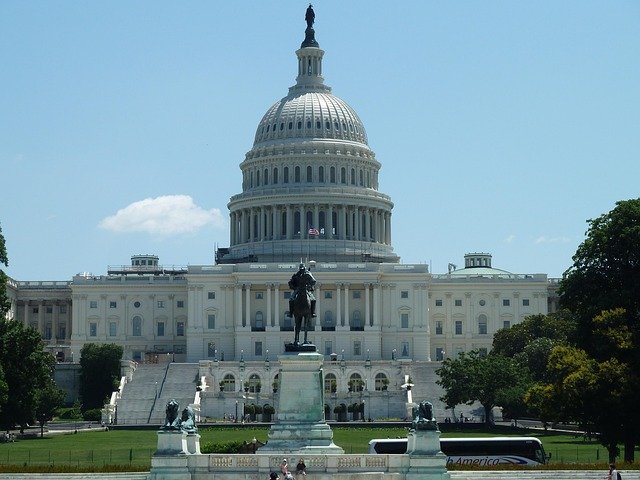
PIXABAY PHOTO