

Consumer loans continued to grow, helping stabilize bank lending in the Philippines.
However, overall bank lending grew only at a slightly slower pace in July while domestic liquidity growth accelerated, according to the Bangko Sentral ng Pilipinas (BSP).
The BSP said that consumer loans to residents – including credit card, motor vehicle, and general-purpose salary loans – grew by 23.6 percent in July.
On the other hand, Loans meant to fund business activities expanded at a slower pace of 10.8 percent in July from 11.1 percent in June.
Lending for key industries such as real estate activities, electricity, gas, steam, and conditioning supply, wholesale and retail trade, repair of motor vehicles and motorcycles, financial and insurance activities, and information and communication, however, increased.
BSP data further showed that outstanding loans of universal and commercial banks (U/KBs) grew by 11.8 percent from 12.1 percent in June.
Outstanding loans issued by U/KBs during the month amounted to P13.57 trillion.
Outstanding loans to residents increased by 12.4 percent in July from 12.6 percent in June.
Loans to non-residents, on the other hand, decreased by 8.1 percent in July from a 6.4-percent decline in the previous month.
DOMESTIC LIQUIDITY
Domestic liquidity, meanwhile, also known as M3, or the amount of money in the economy, grew by 6.2 percent to about P18.6 trillion in July.
Growth of M3 in July was faster than the 5.9-percent increase in June.
M3 is a broad measure of money supply that includes currencies in circulation, bank deposits, and other financial assets that are easily convertible to cash.
As a driver of money supply, claims on the domestic sector, which includes private and government entities, rose by 10.5 percent from 10.8 percent in June.
Claims on the private sector alone grew by 11 percent in July, driven by the continued expansion in bank lending to non-financial private corporations and households.
Net claims on the central government increased by 7.1 percent driven by its higher borrowings.
Net foreign assets (NFA) in peso terms decreased by 0.6 percent in July from the 1.7-percent decline in June.
The BSP’s NFA fell by 1.2 percent primarily due to the decline in gross international reserves from a year ago, while the NFA of banks grew on account of larger holdings of foreign currency-denominated debt instruments.
“Looking ahead, the BSP will ensure that domestic liquidity and bank lending conditions remain aligned with its price and financial stability objectives,” said the BSP.
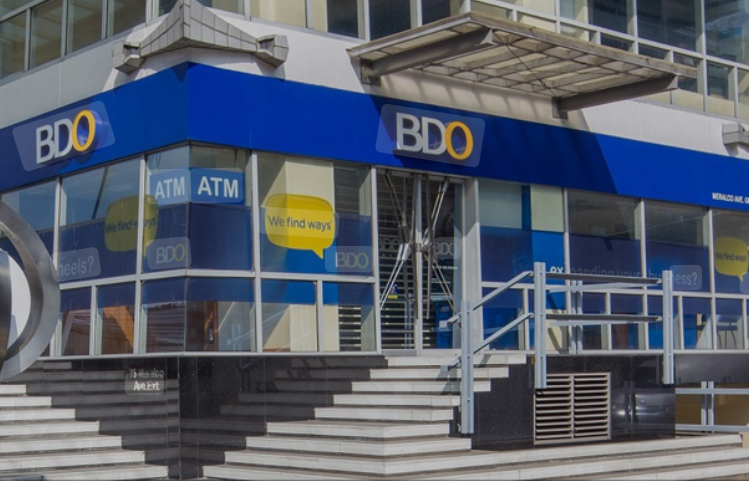
BDO WEBSITE PHOTO