

Businesses in Asia face an operating environment marked by persistent unpredictability this year, caused by an interplay between political dynamics, economic pressures, and rapidly shifting security conditions, according to the latest Crisis Management Annual Review of Willis, a WTW business listed at NASDAQ.
Such a scenario should make businesses take steps to ensure the resiliency of their operations to remain competitive.
“The Asia Pacific region will continue to face heightened crisis-related pressures in 2026, shaped by sustained civil unrest, driven by economic pressures, political grievances and rising youth activism,” said Will Miller, Head of Crisis Management for Asia Pacific at Willis.
To recall, 2025 was a year that continued to reshape the global risk environment. Geopolitical volatility, economic pressure, shifting alliances and the rise of youth-led activism created sustained uncertainty for organizations operating internationally. Amid escalating conflicts, political division and social unrest, businesses faced a more complex risk environment, requiring them to safeguard people and assets, maintain operations, and strengthen long-term resilience.
MASS PROTESTS AND GOVERNMENT RESPONSE
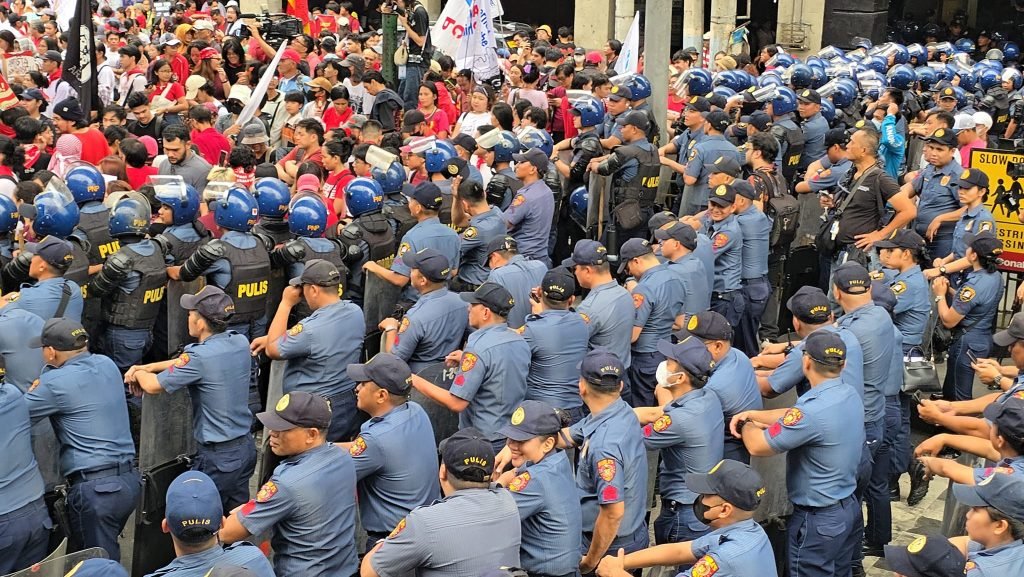
For this year, according to Willis, countries such as Indonesia, Nepal and the Philippines may continue to witness mass protests, particularly in urban centers, as populations react to austerity measures, restrictions on social freedoms, and perceived elite corruption. Student movements and Generation Z activists are also expected to play a prominent role, leveraging digital platforms and social networks to mobilize demonstrations.
On the other hand, governments may respond with a combination of concessions and force, potentially escalating tensions and prolonging instability, which could impact domestic economic activity and foreign investment.
“Interstate and internal conflicts, as well as terrorism are also expected to persist as critical challenges. India and Pakistan are likely to maintain heightened alert levels along Kashmir, with potential for sporadic cross-border skirmishes, while the possibility of acts of terrorism escalating tensions and triggering military confrontations, remains,” Willis said.
Meanwhile, the situation along the Thailand-Cambodia border is expected to remain fragile.
With that backdrop, Willis advises firms to anticipate and swiftly adapt to political risks affecting their international supply chains so they can be better positioned to outperform competitors.
“Across Asia Pacific, we continue to see how quickly strikes, riots and civil commotion (SRCC) can escalate into significant operational and financial exposure for businesses. Social pressures, economic uncertainty and heightened political sensitivities mean that even traditionally stable markets are not immune,” Wills said.
“As SRCC events become more unpredictable and, in some cases, more severe, it is essential that organizations strengthen both their crisis management plans and insurance protections,” he added.
PIA PHOTO